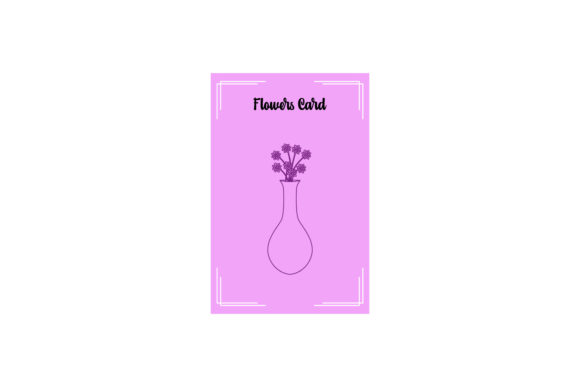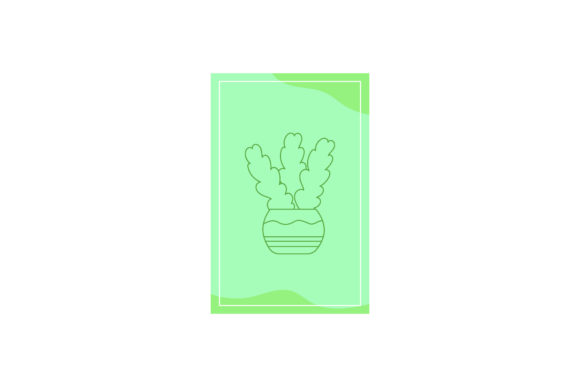
Flowers Card Nature Vectors: A Practical Review for Graphics and Illustrations
I recently came across a set of assets labeled Flowers Card Nature Vectors while browsing for new elements to refresh my shop’s seasonal collection. As someone who has spent years optimizing listings on Etsy, Creative Fabrica, and various print-on-demand platforms, I don’t just look at how pretty a design is; I look at its commercial viability. Can this asset actually sell? Does it offer enough value for a customer to add it to their cart or license it for their own merchandise?
This review breaks down my experience evaluating these vector files from the perspective of a digital product creator. We will explore how this graphic design asset fits into real-world selling scenarios, where it shines, and where you might need to exercise caution before publishing your own products.
First Impressions and Visual Personality
When I first opened the file, the immediate takeaway was the clean, editable nature of the vectors. The description promises that these are Vector files that are openable, editable, and resizable without losing quality. In my testing, this held true. The lines were crisp, which is non-negotiable for anyone creating SVG designs for cutting machines like Cricut or Silhouette.
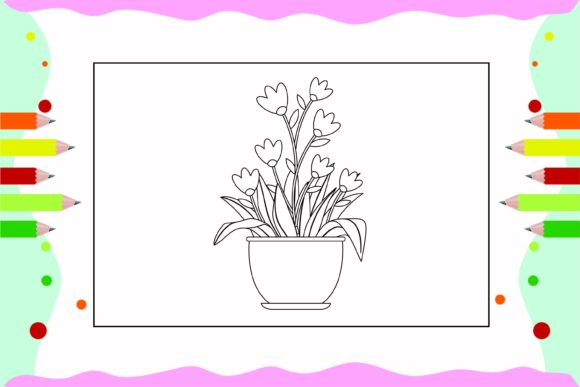
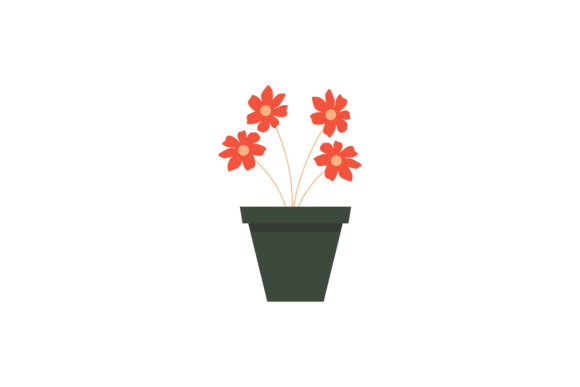
The visual personality of the Flowers Card Nature Vectors leans toward a blend of rustic elegance and modern simplicity. It doesn’t scream for attention with neon colors or chaotic layouts. Instead, it offers a sophisticated, organic feel. This makes it highly appealing to a specific niche: buyers looking for wedding invitations, nursery decor, or boutique branding. It feels premium rather than generic, which is a key factor in building perceived value for your Etsy product listings.
If your brand identity relies on soft, feminine, or nature-inspired aesthetics, this illustration style aligns perfectly. It has the potential to elevate a simple printable design into something that looks professionally curated.
Real-World Product Applications
The versatility of this digital product is where it truly shines. I tested the vectors across several common product categories to see how they translated from screen to physical or digital output.
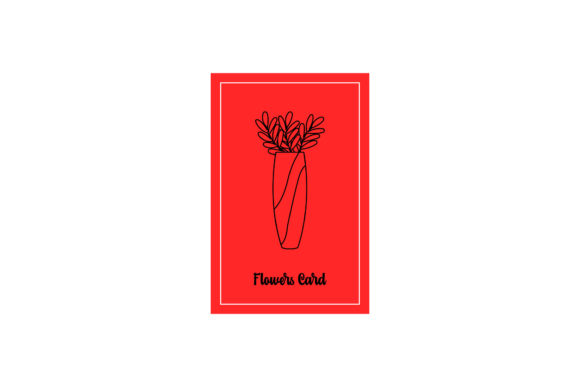
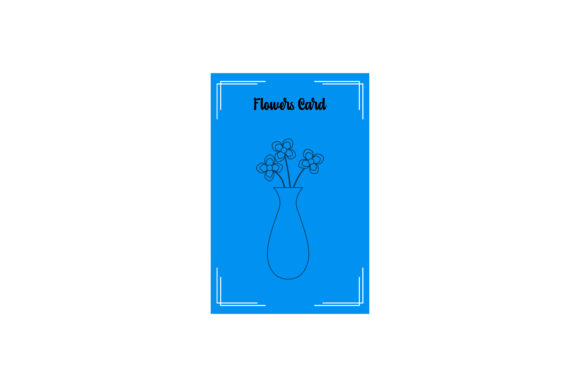
- Wedding and Event Stationery: Because the design carries a "card" aesthetic, it is ideal for invitation templates, save-the-date graphics, and thank-you cards. You can pair the floral elements with elegant script fonts to create high-ticket Canva templates.
- Apparel and Merchandise: For t-shirt designs and mug designs, the vectors scale beautifully. I found them particularly effective for sublimation projects on tote bags and tumblers. The clean lines ensure that even when printed on fabric, the details remain sharp.
- Digital Planners and Stickers: If you are creating sticker design bundles, these flowers can be isolated and used as decorative accents. However, I recommend using them as background elements or larger focal points rather than tiny details.
- Social Media and Blog Graphics: Content creators can use these assets to create cohesive visual hierarchies for blog headers or Instagram posts. They serve as excellent social media graphics that maintain brand consistency.
Additionally, these assets work well as part of a larger design bundle. By combining them with complementary elements, you can create themed collections that appeal to a broader audience, increasing the average order value for your online store.
Enhancing Product Presentation and Mockups
In the world of digital sales, presentation is everything. A great asset can fall flat if it isn’t presented correctly. Here is how I integrated the Flowers Card Nature Vectors into my product mockup previews to boost click-through potential.
I placed the vector designs onto realistic product mockups, such as matte paper cards and ceramic mugs. The contrast between the white background of the mockup and the detailed vectors made the design pop. This technique helps establish small business branding by showing customers exactly what they will receive.
For listing images, I used the vectors to create composite images that told a story. Instead of just showing the raw file, I showed the illustration in context—perhaps surrounded by other coordinating elements or displayed in a lifestyle setting. This approach enhances visual storytelling and builds customer trust by demonstrating the asset's versatility.
When creating thumbnails, I ensured the main floral element was centered and large enough to be recognizable even at small sizes. Clear visual hierarchy is crucial here; if the thumbnail is cluttered, potential buyers may scroll past your creative marketplace listing.
Where to Use Carefully
While this asset is versatile, it is not suitable for every single use case. There are specific scenarios where you should pause and reconsider your application.
- Tiny Sticker Details: If you plan to cut these out as very small vinyl stickers (under 1 inch), the intricate details of the flower petals might get lost or become difficult for the machine to cut cleanly. Always test the cut path before mass-producing.
- Low-Resolution Print Products: Although these are vectors, if you export them for low-res web use or cheap printing methods, ensure you are exporting at the correct DPI (usually 300 DPI for print). Blurry exports can damage the perceived quality of your commercial design.
- Crowded Thumbnails: Avoid placing too many competing elements around the flower vectors in your listing photos. Let the design breathe. Dark backgrounds can also obscure the finer details, so light or neutral backgrounds often work best for showcasing these particular illustrations.
Practical Seller Notes for Implementation
Before adding this design asset to your inventory, follow this checklist to ensure a smooth workflow and happy customers.
- Test on Real Mockups: Never rely solely on the digital preview. Export the design and place it on actual product images to check for color accuracy and scaling issues.
- Check Transparency: Ensure your PNG exports have proper transparency. Ghosting or white boxes around your clipart are a major source of negative reviews.
- Verify SVG Cut Quality: If selling for crafters, inspect the SVG code to ensure there are no unnecessary anchor points or overlapping paths that could confuse cutting software.
- Font Pairing: Experiment with different typography styles. Serif fonts can enhance the classic look, while sans serif fonts can modernize it. Handwritten fonts add a personal touch for greeting cards.
- Organize Files: When delivering digital downloads, organize your folders clearly. Separate the vector files from the raster images and include a readme file with usage instructions.
- Confirm Licensing: Finally, double-check the commercial license terms. Ensure you are allowed to resell the modified designs or use them in end-products for sale. This protects your handmade business from legal issues.
Overall, the Flowers Card Nature Vectors are a solid addition to any designer’s toolkit. They offer the flexibility needed for print-on-demand success and the aesthetic appeal required for digital download shops. By testing them thoroughly and presenting them professionally, you can leverage this asset to create a more robust and profitable online product collection.