Flowers Coloring Pages for Kids 35: A Designer’s Embroidery Review
As a designer who spends half my day digitizing and the other half stitching, I have learned to be skeptical of any asset that claims to be "ready for everything." When I first pulled up Flowers Coloring Pages for Kids 35, my initial instinct was to check the vector integrity. The product description notes that these are vector files—openable, editable, and resizable without losing quality—which is the baseline requirement for any serious embroidery workflow. But vectors are just the starting line. The real test happens when those clean digital lines meet the friction of fabric, the tension of thread, and the practical limitations of a sewing machine.
I am reviewing this asset not as a digital illustrator, but as an embroidery product reviewer evaluating it for real-world application. Whether you are an Etsy seller looking for your next best-selling listing, a craft fair maker preparing booth inventory, or a hobbyist making a personalized gift, you need to know if this design holds up under the needle. Here is my practical breakdown of how Flowers Coloring Pages for Kids 35 performs in actual production scenarios.
First Impressions: Mood and Visual Personality
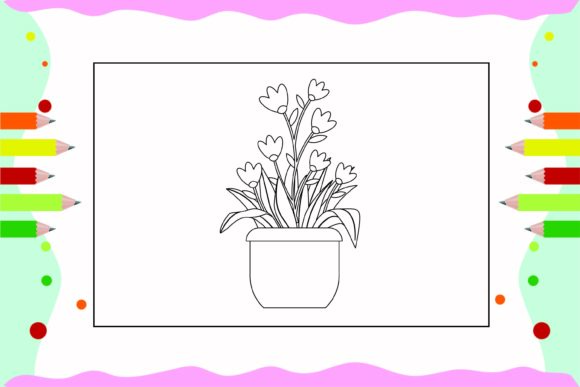
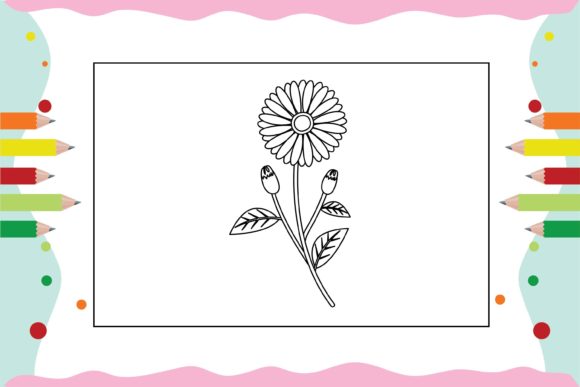
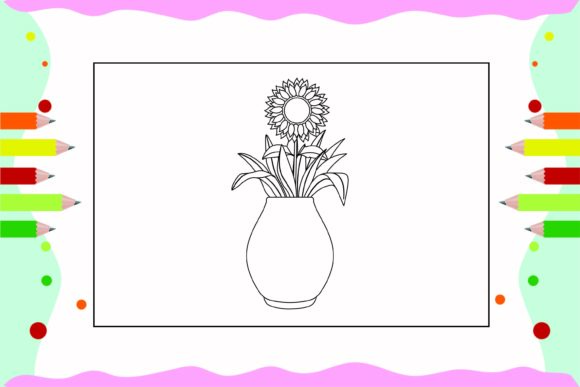
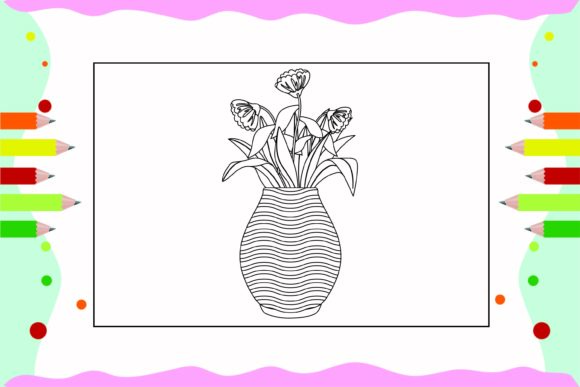
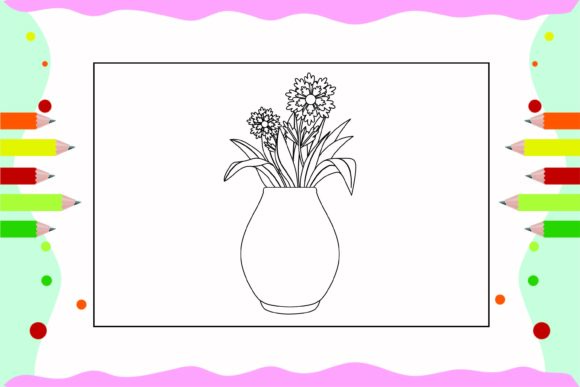
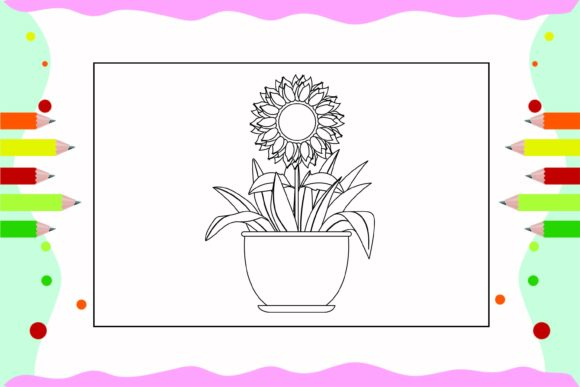
The moment you open the file, the visual personality of Flowers Coloring Pages for Kids 35 becomes clear. It leans heavily into the "coloring book" aesthetic, which implies bold outlines, distinct negative space, and a playful, approachable vibe. This is not a delicate, high-fashion floral motif intended for a luxury silk blouse. Instead, it feels like a perfect candidate for handmade product categories where warmth and accessibility are key.
From a design perspective, the layout suggests strong potential for custom apparel and baby embroidery. The shapes are likely robust enough to handle standard embroidery techniques, but they also invite creativity. Because the source is described as suitable for illustrations and animations, the lines are probably clean and uncluttered. This is crucial for us because cluttered designs often result in tangled threads or muddy stitches when scaled down. The mood here is cheerful, nostalgic, and safe—a combination that sells well in the kids' market.
Real-World Application: Where This Design Shines
In my experience, the most successful embroidery projects are those where the design matches the function of the item. Flowers Coloring Pages for Kids 35 fits naturally into several specific niches:
- Tote Bag Designs: The bold nature of coloring-page-style graphics translates exceptionally well on canvas or cotton tote bags. These bags are often used by parents for school supplies or by kids for toys, making the theme highly relevant. The design can serve as a base for further customization, perhaps adding a child's name alongside the flowers.
- Baby Clothes and Nursery Decor: Soft, simple florals are timeless in nursery settings. When stitched onto muslin blankets, burp cloths, or onesies, this design offers a gentle aesthetic. However, care must be taken with placement; center-chest or pocket placements work best to keep the focus on the graphic without overwhelming the garment.
- Embroidered Patches: If you plan to create iron-on or sew-on patches, the clear outlines of this design allow for excellent border definition. You can use a dense satin stitch around the perimeter to give the patch a finished, professional look that stands out against denim jackets or backpacks.
- Holiday Embroidery and Gifts: This design has broad appeal for occasions like Mother’s Day, birthdays, or baby showers. Its versatility allows it to be adapted for various color palettes, making it a reliable choice for personalized gift businesses that need to turn over inventory quickly.
For Etsy sellers and small shop products, this asset provides a strong foundation. It is not so complex that it requires hours of manual editing, nor is it so simple that it looks cheap. It hits the "sweet spot" of perceived value for handmade goods.
Technical Considerations and Stitch Behavior
While the vector file ensures scalability, the translation to machine embroidery depends entirely on how you digitize it. Since we are dealing with a machine embroidery design derived from a coloring page style, the stitch selection is critical. I recommend using a mix of fill stitch for the flower centers and running stitch or thin satin stitch for the outlines to mimic the hand-drawn feel.
One area that requires careful attention is stitch density. Coloring book images often have large areas of white space. In embroidery, leaving too much empty fabric can sometimes look unfinished unless the fabric itself is textured or colored. If you are stitching this on light fabric, consider using a contrasting thread color for the background or adding a subtle backing texture. Conversely, if you are working with dark fabric, ensure your thread colors provide enough contrast to make the design pop. The visual appeal of the final piece relies heavily on this balance.
Another factor is the hoop size. While the file is resizable, you must ensure the design fits your target product dimensions. For instance, if you are placing this on a cap, the curvature of the front panel may distort wide elements. Always test the design within the constraints of the physical object before committing to bulk production.
Where to Use Carefully: Limitations and Risks
No design is universal, and Flowers Coloring Pages for Kids 35 has specific contexts where it might struggle:
- Small Hoop Sizes: Avoid attempting to stitch this on very small items like sock cuffs or tiny jewelry pouches. The details may become indistinguishable, resulting in a blobby appearance rather than a crisp graphic.
- Textured or Stretchy Fabrics: Knits, jerseys, and heavily textured linens can distort fine lines. If you must use these fabrics, a heavy-duty stabilizer is non-negotiable to prevent puckering and misalignment.
- Dense Stitch Areas: If the design includes intricate inner details, avoid stacking too many layers of thread. This can lead to stiffness in the finished product, which is undesirable for items like baby clothes that need to remain soft to the touch.
- Frequent Washing: For items like kitchen towels or aprons that will undergo frequent laundering, ensure the design is anchored well. Loose ends or overly long run stitches may snag. A good embroidery project review always includes a wash-test recommendation.
Practical Designer Notes for Production
Before you upload Flowers Coloring Pages for Kids 35 to your machine or list it as a digital embroidery file for sale, follow these steps to ensure quality:
- Test on Scrap Fabric: Never cut into your final material without a test run. Check how the threads interact with the weave of your fabric.
- Review Thread Color Contrast: Create mockups in black and white to check the silhouette, then add colors. Ensure the thread choices enhance the design assets rather than competing with them.
- Check Licensing: As a commercial embroidery practitioner, verify the license terms. Even though the file is editable, confirm whether you are allowed to sell finished products made from it. This protects your craft business from legal issues.
- Inspect Small Details: Zoom in on the vector file. Are there any overlapping paths that might cause the digitizing software to get confused? Clean up any unnecessary nodes before converting to stitch data.
- Use Proper Stabilizer: The right stabilizer makes the difference between a professional finish and a amateur one. Match the stabilizer weight to the fabric weight.
Final Verdict
Flowers Coloring Pages for Kids 35 is a versatile, visually appealing asset that serves the needs of designers and makers who prioritize clarity and charm. It is particularly strong for apparel decorators, creative entrepreneurs, and anyone selling printable mockups or physical goods. By understanding its strengths in embroidery project execution and respecting its limitations regarding fabric type and scale, you can transform this vector graphic into a profitable, high-quality finished product. It is a solid addition to any library of graphics aimed at the children’s and home decor markets.