Flowers Mandala Ornate Illustration Review
As a designer who spends more time troubleshooting stitch errors than admiring finished products, I approach every new machine embroidery design with a healthy dose of skepticism. The market is flooded with "vintage" and "ornate" files that look stunning on screen but turn into tangled messes once the needle hits the fabric. That is why I took Flowers Mandala Ornate Illustration for a real-world test run. This isn't just about whether the vector looks pretty in Illustrator; it is about how it translates to thread, how it holds up on a handmade product, and whether it adds enough value to justify the production time.
First Impressions: Visual Personality and Mood
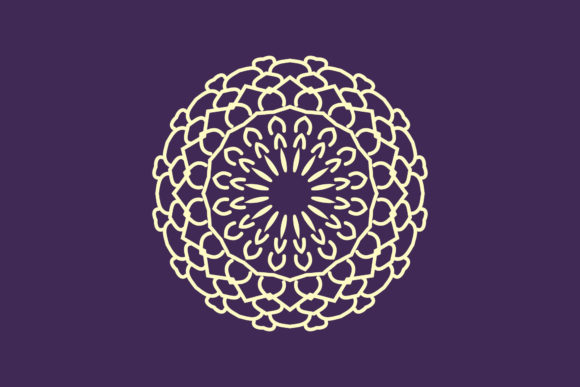
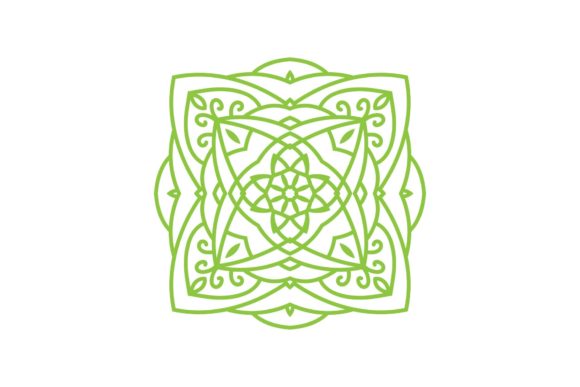
The moment you open the file, the mood is clear. Flowers Mandala Ornate Illustration carries a bohemian, spiritual energy. It feels organic yet structured, which is a delicate balance to strike in graphic design. The mandala shape provides a natural focal point, while the floral elements soften the geometry. For an embroidery project, this duality is crucial. Pure geometric mandalas can sometimes feel cold or rigid in textile form, but the inclusion of petal-like curves gives the design breathability.
Visually, the illustration suggests high-end boutique branding. It doesn’t scream "discount craft fair"; it whispers "artisanal gift." This makes it particularly attractive for Etsy sellers and small shop product owners who are trying to elevate their perceived value. The ornate nature of the graphics implies complexity, which often correlates with higher price points in the handmade market. However, complexity in a vector does not always mean complexity in stitching, and that is where the real evaluation begins.
Real-World Application: From Screen to Stitch
I tested the concept of Flowers Mandala Ornate Illustration across several common use cases to see where it shines and where it struggles. The most promising application was a custom embroidered tote bag design. The mandala’s circular symmetry works beautifully on the flat, wide canvas of a cotton tote. When digitized correctly, the radial balance draws the eye to the center, creating a sense of harmony that customers find psychologically pleasing.
Another strong candidate for this embroidery file is apparel, specifically sweatshirt embroidery. Placing a medium-sized version on the chest of a crewneck creates a classic, timeless look. The ornate details add texture and depth that prints simply cannot replicate. For custom apparel, the design also translates well to baby embroidery items, such as muslin wraps or bonnets, provided the scale is adjusted appropriately. The soft floral themes fit perfectly within nursery decor aesthetics.
However, not every surface is created equal. I considered using this for embroidered patch applications on caps or hats. While the design is robust, curved surfaces like caps can distort symmetrical mandalas if the hoop stability isn't perfect. The outer edges of the mandala might stretch or pucker if the fabric tension varies. Similarly, for kitchen towels or tea towels, the design offers a lovely farmhouse-chic vibe, but one must be careful with the background fabric color to ensure the thread colors pop.
Where Caution Is Required
Even the best design assets have limitations. There are specific scenarios where Flowers Mandala Ornate Illustration requires careful handling to avoid a disappointing finished product.
- Small Hoop Sizes: If you attempt to downsize this intricate illustration too much, you risk losing the ornate details. Tiny petals may merge into indistinguishable blobs of thread. Always check the minimum viable hoop size before committing to small accessories like hair scrunchies or tiny keychains.
- Textured and Stretchy Fabrics: Embroidering on chunky knits, terry cloth, or highly stretchy jersey fabrics can cause the mandala’s precise lines to wobble. The stabilizer becomes critical here; without adequate support, the stitch density required for the fill areas may pull the fabric excessively, distorting the circular shape.
- Dense Stitch Areas: Ornate illustrations often rely on dense fills to create solid shapes. On thin fabrics, this can lead to stiffness or even perforation over time. For durable goods that need frequent washing, such as commercial embroidery workwear or aprons, excessive density can reduce the garment's lifespan.
- Dark Fabric Contrast: If you plan to embroider this on dark backgrounds, you will likely need a heavy underlay or cut-away stabilizer to prevent the fabric color from showing through the threads. This adds bulk and cost to your production.
Design Notes for the Practical Designer
Before you hit "start" on your machine, there are several technical checks that separate a professional result from a hobbyist mistake. Because Flowers Mandala Ornate Illustration is provided as a vector, it is editable, but you must decide how to interpret those vectors into stitches.
First, consider your stabilizer choice. For a symmetrical design like this, a tear-away stabilizer might suffice for stable woven fabrics, but a cut-away is safer for stretchables to maintain long-term integrity. Second, review the stitch density. If the original vector has overlapping lines, ensure your digitizing software converts these into appropriate satin or fill stitches rather than redundant running stitch paths that will only tangle.
Testing is non-negotiable. Always run a mockup on scrap fabric that matches the weight and texture of your final material. Check the contrast between your chosen thread colors and the fabric. A light gold thread on a cream linen might vanish, ruining the visual appeal. Additionally, inspect the smallest details in the mandala’s corners. Are they distinct? Do they require a satin stitch column that is too narrow for your machine’s capabilities?
Finally, think about the end-user experience. How will this personalized gift hold up after washing? Will the back of the embroidery feel comfortable against the skin, especially for baby embroidery items? Using proper backing techniques ensures that the handmade product feels as premium as it looks.
Final Verdict on Value and Appeal
Does Flowers Mandala Ornate Illustration deliver? Yes, but with conditions. It is a versatile digital embroidery file that excels in projects where symmetry and detail are assets rather than liabilities. It elevates simple items like tote bags and pillow covers into statement pieces. For craft business owners, it offers a design that feels both trendy and timeless, appealing to a broad demographic of buyers looking for meaningful, aesthetically pleasing gifts.
However, success depends entirely on execution. The beauty of the graphics lies in its potential, not just its pixel-perfect origin. By respecting the limits of fabric, choosing the right stabilizers, and paying attention to stitch density, you can transform this illustration into a high-value finished product. It is a strong addition to any embroidery project library, provided you treat it with the technical respect it demands.