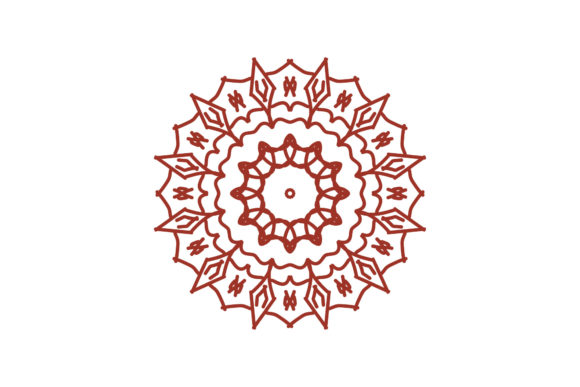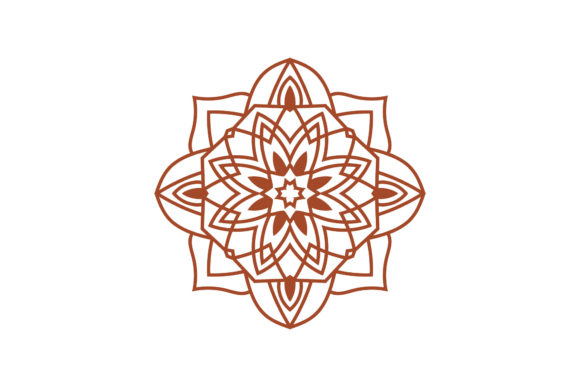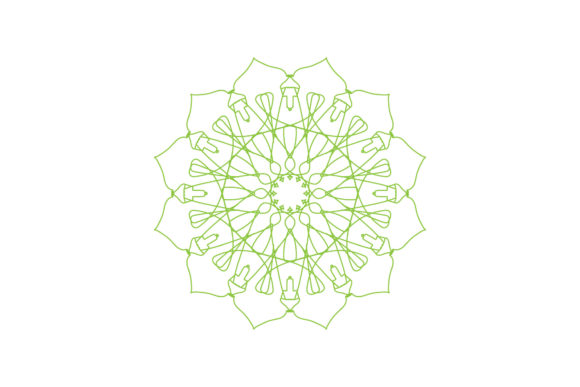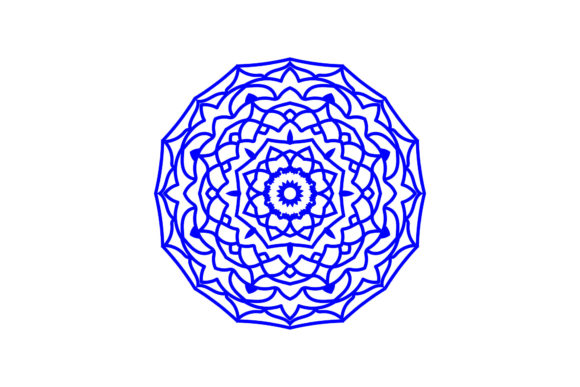
Mandala Ethnic Flowers Graphics and Illustrations for Editorial Use
In the world of digital publishing, the line between content and design is increasingly blurred. As a blog designer who has spent years optimizing layouts for readability, engagement, and conversion, I know that a strong visual hierarchy is not just an aesthetic choice—it is a functional necessity. When evaluating a new graphic design asset for real-world application, I look beyond the raw image file. I ask: Does this support the brand identity? Does it build reader trust? And most importantly, does it perform well across the diverse ecosystem of modern content marketing?
This is where Mandala Ethnic Flowers enters the workflow. At first glance, this asset presents itself as a versatile decorative element, but its potential extends far beyond simple ornamentation. It carries a specific editorial mood—one that feels organic, grounded, and culturally rich without being overwhelming. For publishers in niches such as lifestyle, wellness, bohemian fashion, or creative arts, this design offers a sophisticated way to elevate standard web pages into immersive visual experiences.
First Impressions and Editorial Mood
The immediate impression of Mandala Ethnic Flowers is one of balanced complexity. The intricate patterns suggest a hand-crafted quality, which resonates deeply with audiences seeking authenticity in a sea of AI-generated or stock-standard imagery. This is not a sterile, corporate graphic; it is warm, inviting, and distinctly artistic. It naturally supports content that aims to feel personal yet polished.
When placed against clean backgrounds, the design creates a striking contrast that draws the eye without causing visual fatigue. It leans towards a feminine, modern aesthetic, making it particularly effective for blogs focused on home decor, spiritual living, or artisanal crafts. However, its versatility allows it to be adapted for broader audiences if styled correctly. The key lies in understanding that this is a design asset meant to enhance, not dominate. It works best when it frames text or acts as a subtle background texture rather than the sole focal point of a dense information page.
Integrating Mandala Ethnic Flowers into Real Publishing Workflows
One of the strongest selling points of this asset is its multi-format availability. You will receive this design in the following formats – AI File – SVG File – Translated vector formats. This technical flexibility is crucial for any serious publisher. The ability to scale these Illustrations and Graphics from a tiny favicon to a massive website header without losing resolution ensures consistency across all touchpoints.
In my own workflow, I have found several high-impact applications for this asset:
- Pinterest Pins and Social Media Graphics: The intricate details of the mandala pattern catch the eye in crowded feeds. Used as a border or overlay on photo-based pins, it adds a layer of professionalism that signals "quality content" to scrollers.
- Digital Guides and Lead Magnets: When creating downloadable resources like worksheets or eBooks, using Mandala Ethnic Flowers as a cover element or section divider elevates the perceived value of the freebie. It transforms a simple PDF into a branded product.
- Newsletter Headers: Email open rates depend heavily on subject lines, but click-through rates depend on the email body's readability. Using this design as a soft background for newsletter banners can create a cohesive brand experience without compromising text legibility.
- Category Thumbnails: For blogs with multiple verticals, using variations of this graphic for category icons helps users navigate the site intuitively. It provides a unified visual language across different sections of the website.
Furthermore, the asset’s adaptability makes it ideal for Canva templates. Many bloggers use Canva for rapid content creation. Having a pre-designed vector element that can be easily resized and recolored saves hours of design time while maintaining a high standard of creative design.
Impact on Content Performance and Reader Trust
Visual consistency is a major driver of reader trust. When a visitor lands on a blog post that features disjointed, low-resolution, or mismatched graphics, subconscious skepticism arises. Conversely, a site that uses cohesive brand identity elements like Mandala Ethnic Flowers signals attention to detail. This subtle cue can improve click-through potential because the user feels they are entering a professional, curated space.
Moreover, the use of such distinctive graphics aids in category recognition. If you consistently use this mandala motif for your "Wellness" or "DIY" categories, readers will begin to associate the visual pattern with those topics. Over time, this strengthens your visual identity and makes your content instantly recognizable even outside your platform, such as in search results or social media previews.
For affiliate marketers, this is particularly valuable. Affiliate content requires a delicate balance between promotion and education. A visually appealing, non-intrusive design like this helps soften the sales pitch, making promotional posts feel more like helpful guides than advertisements. This aligns perfectly with ethical content marketing practices that prioritize user experience.
Strategic Placement for Maximum Effect
To get the most out of Mandala Ethnic Flowers, strategic placement is key. It excels as a hero image accent, where it can frame a headline without obscuring it. It also works beautifully as an editorial accent within long-form articles, breaking up text blocks and giving the reader’s eyes a rest. Additionally, using it for website headers or footer designs can anchor the page layout, providing a sense of completion and polish.
However, there are contexts where caution is advised. In small mobile thumbnails, the intricate details may blur or become indistinguishable. In such cases, simplifying the graphic or using a solid color derived from the palette is often more effective. Similarly, avoid placing this design over busy layouts or low-contrast backgrounds, as it can create visual noise that hinders readability.
Practical Publisher Notes for Implementation
Before integrating Mandala Ethnic Flowers into your live site, consider the following technical and legal checks:
- Cross-Device Testing: Always preview the design on both desktop and mobile screens. Ensure that the vector scaling holds up on high-DPI displays and that the design does not overwhelm smaller viewports.
- Contrast and Readability: Test the graphic alongside your primary typography. Try pairing it with serif fonts for a classic editorial look, sans-serif fonts for modern clarity, or script fonts for a more personalized touch. Ensure sufficient contrast so that any overlaid text remains accessible.
- Web Performance: Even though SVG files are lightweight, ensure that any rasterized versions (like PNGs) are properly compressed. Large file sizes can slow down page load times, negatively impacting SEO and user retention.
- Licensing Verification: Confirm the commercial license terms before using the asset on monetized websites, affiliate pages, or paid digital products. While many marketplaces offer broad usage rights, some may restrict resale or require attribution.
In conclusion, Mandala Ethnic Flowers is more than just a decorative illustration; it is a tool for enhancing editorial quality and brand cohesion. By thoughtfully integrating this asset into your web design and social media graphics, you can create a more engaging, trustworthy, and professional online presence. Whether you are designing a lead magnet, updating your blog graphics, or refreshing your small business branding, this design offers the flexibility and aesthetic depth needed to stand out in today’s crowded digital landscape.