Mandala Flowers 19 Review
When I sit down to evaluate a new digital asset for my embroidery studio, I am rarely looking for just another pretty picture. As a designer who regularly produces custom apparel and boutique merchandise, I need to know how a design will translate from a screen into thread. This is where Mandala Flowers 19 catches my attention. It arrives as a high-resolution graphic in the Illustrations category, but my job is to strip away the pixels and imagine the stitches. After spending time analyzing its structure, mood, and potential application, here is my practical breakdown of how this design performs in real-world production.
The First Impression: Mood and Visual Personality
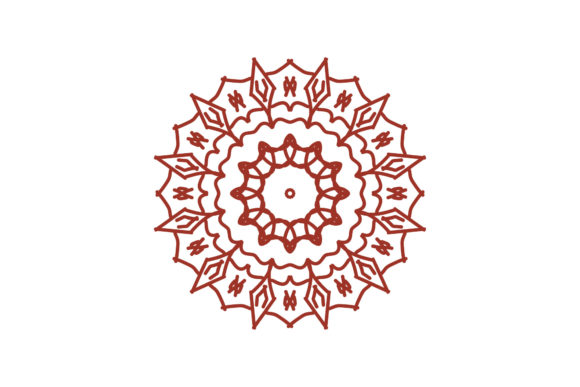
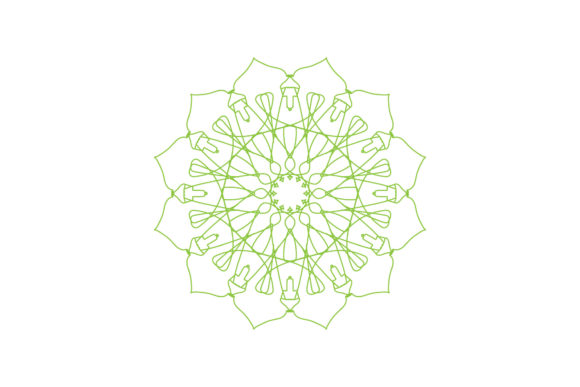
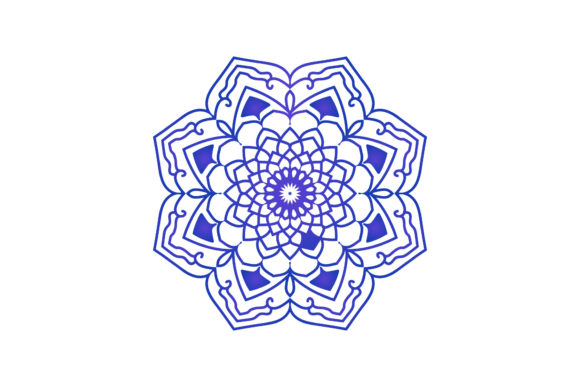
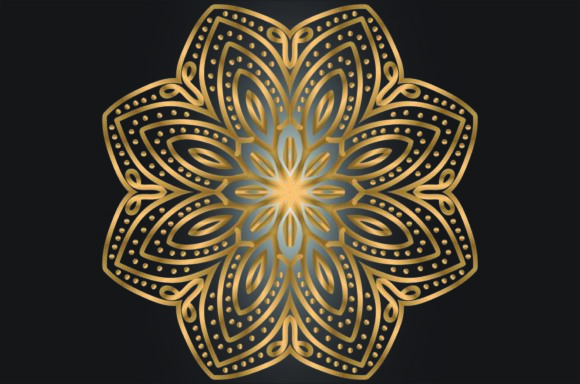
The moment you open the file, the visual weight of Mandala Flowers 19 is immediately apparent. Unlike some mandala designs that feel cluttered or overly chaotic, this piece has a balanced symmetry that feels both organic and structured. The floral elements are integrated seamlessly into the circular geometry, creating a sense of movement without losing its central anchor. It exudes a calm, bohemian energy that resonates strongly with current trends in handmade goods and mindful living products.
From a design perspective, the detail level is sophisticated but not overwhelming. There is enough intricacy to justify the time investment in digitizing or stitching, yet it retains enough negative space to breathe. This balance is crucial. If a design is too dense, it risks becoming muddy when stitched; if it is too sparse, it may look unfinished on fabric. Mandala Flowers 19 sits comfortably in the middle ground, offering richness without demanding excessive thread consumption. It feels like a design meant to be admired up close, making it ideal for items that customers hold or wear frequently.
Real-World Application: Where This Design Shines
I recently considered using Mandala Flowers 19 for a batch of custom embroidered tote bags intended for a local artisan market. The aesthetic of the design pairs exceptionally well with natural fabrics like canvas, linen, and heavy cotton. Imagine this mandala centered on a beige canvas bag, stitched in earthy tones or a contrasting monochrome palette. The result would be a handmade product that feels elevated and intentional, rather than mass-produced.
Beyond bags, this design is a strong contender for sweatshirt embroidery. When placed over the heart or centered on the back of a crewneck, the circular shape works harmoniously with the garment’s silhouette. It adds a focal point that draws the eye without overpowering the wearer. Similarly, for baby embroidery, such as on muslin blankets or hooded towels, the soft floral interpretation within the mandala structure offers a gentle, soothing vibe that parents appreciate. It avoids being overly gendered, making it versatile for any nursery decor project.
For the Etsy seller or small shop owner, this design also translates beautifully into home goods. Picture it on a tea towel, an apron, or even a pillow cover. The geometric nature of the mandala allows it to frame the edges of these items effectively. When marketed as a personalized gift, the intricate details provide a sense of luxury and care that justifies a higher price point. Customers are often willing to pay more for items that look professionally finished and thoughtfully designed.
Commercial Viability and Brand Consistency
In the world of commercial embroidery, consistency is key. Mandala Flowers 19 offers a distinct visual identity that can help build brand recognition. If your shop specializes in boho-chic or minimalist aesthetics, this design fits right in. It is clean enough to work alongside simple typography for quotes or names, allowing you to create cohesive collections. Whether you are producing custom apparel for corporate events or crafting unique pieces for weddings, this design provides a reliable foundation that enhances the perceived value of the finished product.
Technical Considerations and Cautionary Notes
While the artistic merit of Mandala Flowers 19 is high, practical execution requires careful planning. Not all surfaces are created equal, and this design demands respect for its structural integrity. Here are critical factors to consider before committing to production:
- Hoop Size Constraints: Because the design is based on a 1920 px by 1280 px canvas, it is likely substantial in physical dimensions. Ensure your machine’s hoop size can accommodate the full diameter without cropping essential details. Attempting to force a large mandala into a small hoop will result in lost detail and potential distortion.
- Fabric Texture and Stability: Avoid placing this design on highly textured fabrics like thick bouclé or loose-weave burlap unless you have significant experience. The fine lines of the mandala may get lost in the weave. Additionally, steer clear of thin or stretchy knits without proper stabilization, as the tension required for the fill areas could pucker the fabric.
- Dark Fabrics and Contrast: On dark backgrounds, the definition of lighter threads might be lost if the color palette is not chosen carefully. Test your thread colors rigorously. A light pastel mandala on black fabric needs high-contrast backing or specific stitch techniques to remain visible.
- Dense Stitch Areas: Mandala designs often rely on fill stitches to create depth. Be mindful of stitch density. If the area is too dense, the fabric underneath may become stiff and uncomfortable, particularly for wearable items like caps or shirts. Conversely, if the density is too low, the design may look patchy.
- Curved Surfaces: While possible, applying this design to curved surfaces like baseball caps or sleeves requires advanced digitizing skills to ensure the circle remains round and undistorted after stitching. For beginners, flat applications like tote bags or pillows are safer bets.
Practical Designer Notes for Success
To get the best results from Mandala Flowers 19, I recommend following a strict testing protocol. Always test the design on scrap fabric that matches the final material in weight and texture. Check the stabilizer choice—cut-away stabilizers are generally recommended for this type of detailed design to prevent shifting during long stitch sequences.
Inspect the smaller details closely. In a mandala, the inner rings often contain the most intricate elements. If these are too small, they may merge together when stitched. You might need to adjust the scale slightly or simplify certain segments during the digitizing phase. Also, review the design in black and white mockups to ensure the contrast holds up without relying on color alone.
Finally, remember that Mandala Flowers 19 is available in multiple formats including AI, EPS, SVG, JPG, and PNG. While these file types offer flexibility for different software workflows, always verify the licensing terms before selling finished items. Understanding whether you have commercial rights is essential for protecting your business. By approaching this design with technical precision and creative vision, you can transform a simple digital graphic into a stunning, market-ready embroidery project that stands out in a crowded marketplace.