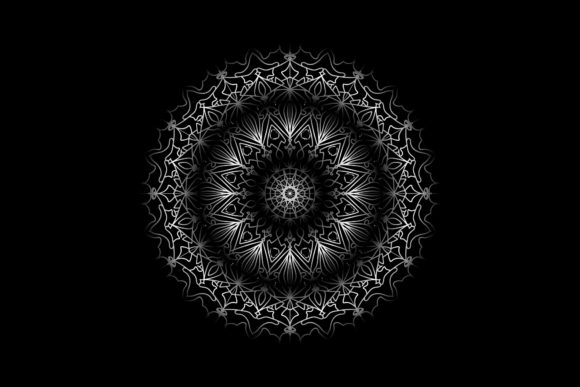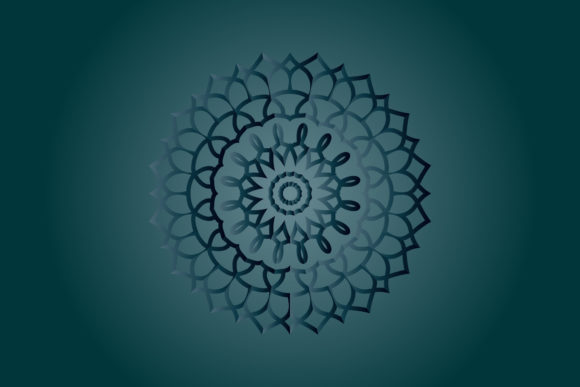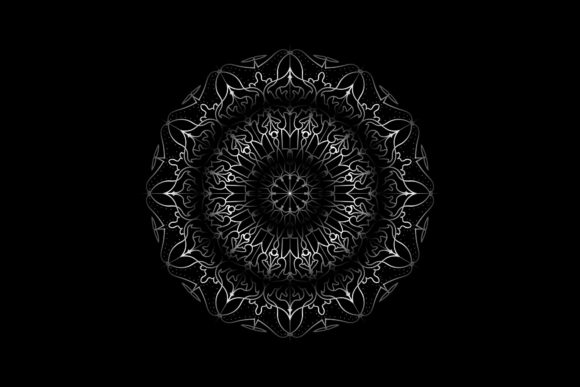
Silver Gradient Mandala Flowers
When I first opened the file for Silver Gradient Mandala Flowers, my immediate thought was not about the technical specs, but about the mood. There is a distinct elegance to this piece that separates it from the typical busy mandalas often seen in mass-produced craft items. As an experienced designer who reviews embroidery assets daily, I look for designs that hold their own under the needle and translate well into physical products. This design brings a sophisticated, almost ethereal quality to the table, making it a strong contender for boutique-level projects rather than quick, disposable crafts.
The visual personality of this Illustrations category asset relies heavily on its gradient effect. In the digital space, gradients can sometimes look flat or overly digital, but here, the transition of tones suggests depth. For an embroidery project, this implies a need for careful thread selection to mimic that soft fade. It feels less like a rigid geometric pattern and more like a fluid, organic motif. This makes it particularly suitable for custom apparel where you want the garment to feel elevated, such as a high-end tote bag design or a delicate sweatshirt embroidery piece for a young adult or teen demographic.
Real-World Application: The Tote Bag Scenario
Let’s talk about a real-life scenario. Imagine you are preparing a batch of custom embroidered tote bags for a local artisan market or an Etsy shop launch. You have a selection of canvas bags in neutral tones—cream, beige, and light grey. You place Silver Gradient Mandala Flowers in the center of the bag. Because the design has a central focal point with radiating symmetry, it balances perfectly on the large surface area of the bag.
The silver tone works exceptionally well against these light backgrounds. It catches the light differently than a solid black stitch would, giving the product a shimmering effect that customers notice immediately. However, if you were to put this same design on a dark navy or black tote bag, the contrast might get lost unless you use a metallic thread or a very bright white backing. This is where the designer’s eye comes in: understanding how the thread colors interact with the base fabric is just as important as the vector shape itself. For a handmade product aiming for a premium feel, this design shines on light fabrics, creating a clean, modern aesthetic that appeals to buyers looking for minimalist yet intricate decor.
Performance in Stitching and Detail
As a digital embroidery file, the structure of Silver Gradient Mandala Flowers needs to be evaluated for stitch clarity. Mandalas often suffer from becoming muddy when stitched at small sizes because too many lines converge. In this case, the gradient nature helps break up the density slightly, allowing the eye to rest on different sections of the flower. This is crucial for embroidery project success, especially if you plan to scale the design down for smaller items like aprons or kitchen towels.
When working with this graphics asset, pay close attention to the stitch density. If the design uses a lot of fill stitch to create the gradient effect, ensure your machine can handle the thickness without puckering the fabric. For small business merchandise like personalized gifts, customer satisfaction hinges on the finish. A pucker-free result looks professional; a puckered one looks cheap. I recommend testing this design on scrap fabric first, specifically on the type of material you intend to use for your final product. If you are using a stabilizer that is too heavy or too light, the registration might shift, causing the symmetrical parts of the mandala to misalign.
Where Caution Is Required
No design is perfect for every situation, and Silver Gradient Mandala Flowers has specific limitations you must respect. First, avoid using this on highly textured fabrics like heavy wool bouclé or loose-weave burlap. The fine details of the gradient will disappear into the texture, resulting in a blurry, undefined image. Similarly, on stretchy knits without proper stabilization, the tension of the stitches may distort the circular shape, turning a perfect mandala into an oval.
Another area to watch is small hoop sizes. While the design is versatile, attempting to stitch this entire mandala in a 4x4 inch hoop might result in tiny, hard-to-manage stitches. The individual petals or lines may become indistinguishable, losing the "gradient" illusion entirely. For best results, consider using a larger hoop size to maintain clarity. Also, be cautious with curved surfaces like caps or hats. Unless you have significant experience with cap frames and curve adaptation, the radial symmetry of a mandala can look awkward on the front panel of a hat. It is better suited for flat surfaces like pillow covers, tea towels, or the chest area of a structured sweatshirt.
Impact on Brand and Customer Perception
Using a design like Silver Gradient Mandala Flowers affects more than just the look of the item; it influences customer trust and brand consistency. When an Etsy seller or craft business owner presents a finished product with crisp, clear stitching, it signals professionalism. Buyers associate clean edges and consistent tension with quality materials and care. This design, with its balanced composition, lends itself well to commercial embroidery projects where brand recognition is key.
Furthermore, the aesthetic fits seamlessly into current trends for nursery decor and wedding gifts. The silver theme evokes purity and celebration, making it a natural fit for baby showers (baby embroidery) or anniversary gifts. When you present this in printable mockups or design assets for your online store, the silver gradient pops visually, increasing click-through rates. It stands out in a feed full of bold primary colors by offering something softer and more refined. This visual appeal translates directly to higher perceived value, allowing you to price your finished product at a premium.
Practical Designer Notes for Success
To ensure you get the most out of this machine embroidery design, follow these practical steps before committing to your final piece:
- Test on Scrap Fabric: Always run a test stitch-out on the exact fabric you plan to sell or gift. This reveals potential issues with thread tension or fabric compatibility.
- Check Thread Contrast: Experiment with different thread brands. Some silver threads are shinier than others. Choose one that complements the gradient without being overly reflective, which can look tacky.
- Review Stitch Density: If the design feels too dense, consider reducing the fill percentage or adding more running stitch outlines to lighten the load on the machine.
- Inspect Small Details: Zoom in on the digital file to ensure no overlapping paths cause errors during digitization.
- Black and White Mockups: View your design in grayscale to check the balance of light and dark areas. This helps verify that the gradient will read clearly even if the color shifts slightly during stitching.
- Confirm Licensing: Before selling any handmade product featuring this design, verify the commercial use rights. Ensure you are allowed to sell the finished items, not just the digital file.
In conclusion, Silver Gradient Mandala Flowers is a versatile and aesthetically pleasing addition to any designer’s library. It excels in projects that require a touch of elegance and sophistication, from custom apparel to holiday embroidery gifts. By respecting its limitations regarding fabric texture and hoop size, and by paying close attention to thread selection, you can create stunning embroidered patches and decor pieces that resonate with customers. It is a tool that, when used with skill and foresight, elevates the entire presentation of your craft business.