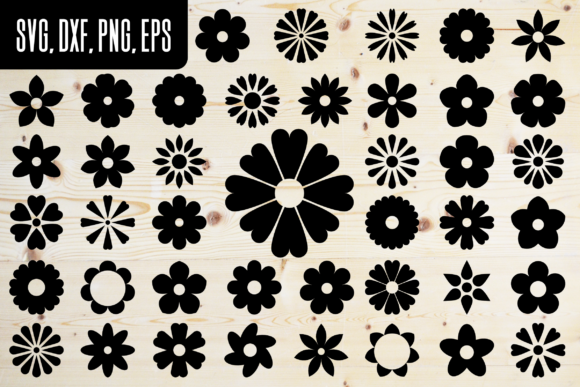
Simple Flowers Clipart Graphics and Illustrations Review
In the world of digital publishing, visual hierarchy is not just an aesthetic choice; it is a functional necessity. As a blog designer who has spent years optimizing content for readability, click-through rates, and brand trust, I approach every new graphic design asset with a mix of skepticism and curiosity. Today, I am reviewing the Simple Flowers Clipart bundle, a collection that promises to bring a touch of organic elegance to editorial layouts and commercial projects. This review focuses on how this specific set of illustrations fits into a real-world content marketing workflow, particularly for bloggers, affiliate marketers, and small business owners who need polished visuals without compromising site performance.
First Impressions: Editorial Mood and Reader Perception
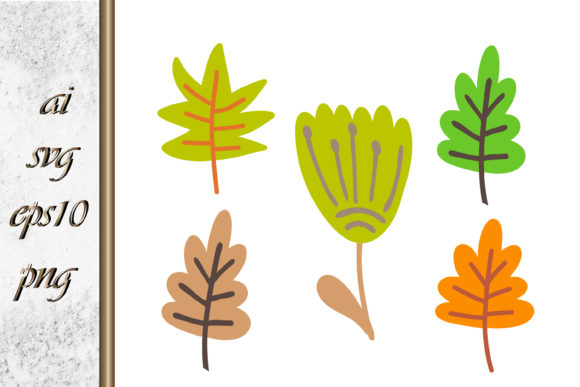
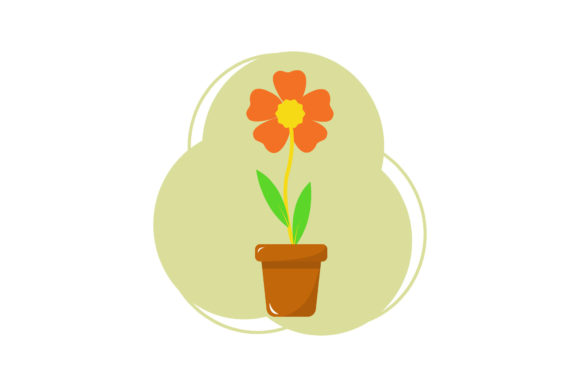
The moment you open the Simple Flowers Clipart bundle, the first thing you notice is its restraint. In a creative marketplace flooded with overly intricate or chaotic designs, simplicity is a powerful tool for modern design. The 47 flower graphics included in this package are clean, uncluttered, and highly versatile. They do not scream for attention; instead, they whisper sophistication. This creates an editorial mood that feels lifestyle-focused, feminine, and gently artistic without being childish.
For a publisher, this matters immensely. When a reader lands on your website, their subconscious assesses the quality of your content based on its visual presentation. A busy, low-quality image can signal amateurism, whereas clean, well-composed illustrations like these suggest professionalism. These graphics naturally support niches such as wellness, parenting, home decor, fashion, and lifestyle blogging. They evoke a sense of calm and clarity, which helps in building immediate reader trust. If your goal is to create a serene reading environment where users feel comfortable staying longer, this design asset delivers exactly that atmosphere.
Integrating Graphics into Real Publishing Workflows
One of the most common questions I receive from fellow digital publishers is, "Where do I actually use these images?" The answer lies in diversifying your visual touchpoints across the entire user journey. The Simple Flowers printable cut files clipart bundle includes 47 flower graphics which you can use in your projects, offering enough variety to maintain consistency while avoiding repetition.
Consider the typical lifecycle of a high-performing blog post. It starts with a featured image designed to stop the scroll on social media. Using one of these simple flower motifs as an accent in your Canva template can elevate a standard text-based header into something that looks like a premium editorial feature. For Pinterest pins, where visual clarity is king, these line-art style flowers provide a perfect balance of decoration and information space. They frame your headline without obscuring it, improving click-through potential by making the content look clickable and valuable.
Beyond social media, these assets are invaluable for downloadable resources. If you are creating a lead magnet, such as a seasonal planning guide or a wellness checklist, incorporating these illustrations adds perceived value. A digital guide adorned with cohesive, high-quality graphics feels more substantial than a plain text document. Similarly, for newsletter creators, using a simple flower graphic as a divider or a bullet point replacement can break up long blocks of text, guiding the eye down the page and improving overall readability.
Enhancing Content Performance and Brand Identity
Consistency is the backbone of strong brand identity. By integrating Simple Flowers Clipart into your web design strategy, you establish a recognizable visual language. When a visitor sees your category thumbnails, email headers, and social media previews all utilizing the same illustrative style, it reinforces your brand’s personality. This visual cohesion reduces cognitive load for the reader, allowing them to focus on your message rather than deciphering conflicting design styles.
Furthermore, these graphics support better visual hierarchy. In editorial design, you want to guide the reader’s eye to the most important elements. A strategically placed flower illustration can act as a visual anchor, drawing attention to a call-to-action button or highlighting a key takeaway in an article. This subtle direction can improve engagement metrics, as readers are more likely to interact with content that feels organized and intentional. For affiliate marketers, this means higher conversion rates on product roundups or recommendation lists, as the layout feels curated rather than spammy.
Optimal Use Cases for Visual Impact
- Pinterest Pins and Social Media Previews: Use these graphics to create eye-catching frames around text overlays. The simplicity ensures legibility even at small sizes.
- Blog Post Headers and Banners: Integrate these illustrations into hero images to add a touch of elegance to your main content areas.
- Digital Guides and eBooks: Use them as section dividers or chapter icons to make long-form content more digestible.
- Newsletter Design: Employ these graphics as decorative accents in email headers or footers to maintain brand continuity.
- Category Thumbnails: Create a uniform look for your blog categories by assigning a specific flower graphic to each topic.
Strategic Considerations and Limitations
While this asset is versatile, no single design solution fits every scenario. There are specific contexts where Simple Flowers Clipart should be used with caution. For instance, on very small mobile thumbnails, intricate details—even simple ones—can become muddy. It is crucial to test how these graphics render at different resolutions. Additionally, avoid placing these delicate illustrations over busy backgrounds or low-contrast areas, as this will compromise readability and visual appeal.
Serious professional niches, such as corporate finance, legal services, or heavy B2B technology, may find this style too playful or decorative. In those cases, a more minimal or abstract visual system might be more appropriate. However, for lifestyle, creative, and educational brands, these graphics strike the right balance between professionalism and approachability.
Practical Publisher Notes for Implementation
To get the most out of this design asset, follow these practical steps during your implementation process:
- Test Across Devices: Always preview your graphics on both desktop and mobile screens. Check how they look as thumbnails and ensure they scale properly.
- Font Pairing: Experiment with placing these graphics beside serif fonts for a classic editorial look, sans serif fonts for a modern feel, or script fonts for a personal touch. Avoid pairing them with overly decorative display fonts that compete for attention.
- Contrast and Readability: Ensure there is sufficient contrast between the graphics and your background. Test your designs in black and white to check for structural integrity.
- File Size Optimization: Even simple vector or PNG files can impact page load times if not optimized. Compress your images properly to maintain fast website performance, which is critical for SEO and user experience.
- Licensing Verification: Before using these assets on monetized websites, affiliate pages, or paid content products, confirm your commercial license. Understanding the terms of use protects your business and ensures compliance.
Ultimately, the Simple Flowers Clipart bundle is a thoughtful addition to any digital publisher’s toolkit. It offers the flexibility needed for diverse content types while maintaining a level of editorial quality that enhances reader trust. By integrating these graphics into your content marketing strategy, you are not just decorating your website; you are curating an experience that respects your audience’s time and attention. Whether you are designing a new website header, creating a series of educational worksheets, or simply sprucing up your social media presence, these illustrations provide a reliable foundation for modern, effective design.