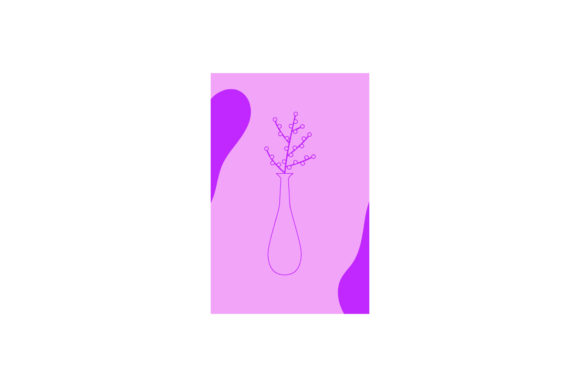
Flowers Illustration Cards Graphics Review
When I first pulled up Flowers Illustration Cards in my design software, I immediately thought about the upcoming spring market season. As a crafter who spends half her life tweaking SVG files and the other half packing orders for Etsy customers, I am always looking for that perfect balance between visual appeal and technical ease. This graphic design asset isn’t just another generic clipart file; it feels like a cohesive collection designed with real-world crafting workflows in mind. Whether you are preparing a batch of custom mugs, designing vinyl decals for water bottles, or creating printable wall art for your digital shop, understanding how this asset fits into your production line is crucial.
First Impressions and Visual Personality
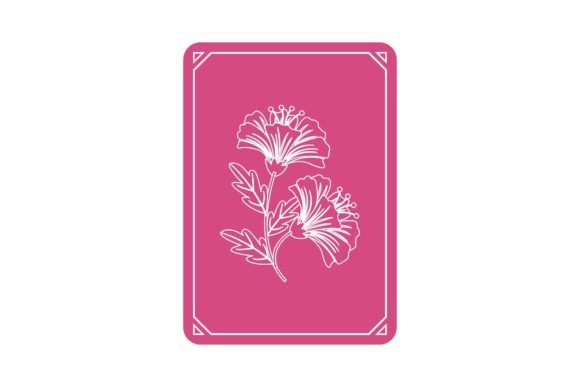
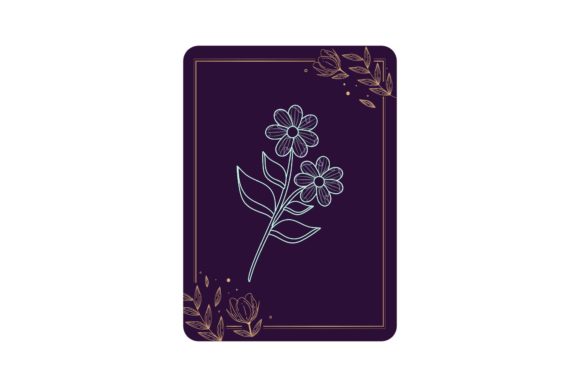
The moment you open the folder containing Flowers Illustration Cards, the mood is instantly recognizable. It strikes a beautiful chord between elegant and approachable. The illustration style suggests a soft, feminine aesthetic that works wonderfully for bridal showers, baby gifts, or cozy home decor items. Unlike some overly complex vector designs that can look cluttered when cut from vinyl, these graphics maintain their integrity even at smaller scales. They feel premium, which is exactly what buyers expect when they pay top dollar for handmade goods.
This design creates a sense of warmth and celebration. It attracts a specific type of customer: the one who appreciates detail but values clean lines. If your handmade business focuses on rustic charm, playful party favors, or sophisticated stationery, this asset aligns perfectly with those brand identities. It is versatile enough to serve as the hero element on a large tote bag or as a delicate accent on a thank-you card included in your packaging.
Real-World Crafting Applications
In my workflow, versatility is king. I don’t buy assets that only work for one product. With Flowers Illustration Cards, the possibilities for expansion are extensive. Here is how I see this fitting into actual production runs:
- Cricut and Silhouette Projects: The vector nature of the files makes them ideal for cutting machines. You can easily separate elements to create layered vinyl stickers or intricate t-shirt designs. The curves are smooth, reducing the risk of weeding errors common in more jagged designs.
- Sticker Design: For die-cut sticker sheets, this illustration provides clear boundaries. It works beautifully for planner stickers, laptop decals, or waterproof vinyl stickers for tumblers. The scale allows for both individual floral accents and larger bouquet-style arrangements.
- Tumbler Wraps and Mug Designs: When creating sublimation prints for stainless steel tumblers or ceramic mugs, high-resolution clarity is non-negotiable. This asset holds up well against zooming and scaling, ensuring that the petals remain crisp rather than pixelated.
- Greeting Cards and Gift Tags: The composition leaves room for text, making it perfect for personalization. Imagine pairing these flowers with a handwritten font for wedding favor tags or a bold serif font for holiday cards. It serves as an excellent backdrop without overpowering the message.
- Printable Wall Art: For digital product creators, this illustration can be arranged into gallery walls. You can create minimalist layouts by isolating single blooms or maximalist frames by clustering the full arrangement.
Strategic Placement in Your Product Line
To maximize the value of this graphic design asset, consider where it adds the most weight in your store. Large format products benefit significantly from the detailed linework of Flowers Illustration Cards. A poster or a framed print allows the viewer to appreciate the subtle variations in the petal shapes. Similarly, decorative accents on packaging materials elevate the unboxing experience, making your handmade business feel more professional.
Seasonal craft bundles are another strong use case. By combining this illustration with complementary colors, you can quickly generate inventory for Valentine’s Day, Mother’s Day, or Easter. Personalized items, such as monogrammed tote bags or embroidered patches, also shine when paired with this level of graphical sophistication. It bridges the gap between a simple hobby project and a sellable commercial design.
Areas Requiring Careful Attention
However, no asset is flawless, and as an experienced creator, I must point out where caution is needed. While Flowers Illustration Cards is robust, there are limitations based on physical constraints:
- Very Small Cutting Details: If you plan to cut this design into tiny confetti pieces or micro-stickers, you may encounter issues with thin lines breaking during the weeding process. Always check the stroke width before sending to the cutter.
- Crowded Compositions: On very small surfaces, such as a standard keychain or a small jewelry tag, the full illustration might become illegible. In these cases, simplifying the layout or cropping the image to focus on a single flower is advisable.
- Low-Contrast Colors: When using this on dark products, ensure you have a white backing or outline layer. Without contrast, the details can get lost, especially in low-light environments like craft fairs.
- Layered Vinyl Projects: If you are attempting a multi-layer vinyl cut, verify that the layers are properly separated in the AI or SVG file. Merged paths can lead to frustrating alignment issues.
Practical Notes for the Savvy Crafter
Before you start printing or cutting, there are several technical checks every designer should perform. First, test the file thoroughly. Open the SVG in your preferred software and zoom in to 400% to ensure there are no stray anchor points or messy nodes. Check the PNG transparency if you plan to use it for sublimation or heat transfer vinyl (HTV); any unwanted background artifacts will ruin the final product.
Resolution is critical for sublimation designs. Confirm that your raster versions are at least 300 DPI to avoid blurry prints on fabric or ceramics. Color testing is equally important. Screens display RGB colors differently than printers output CMYK or spot colors. Print a test sheet on the actual material you intend to use—whether it’s white paper, black cardstock, or a colored t-shirt—to see how the ink interacts with the surface.
Pairing typography is an art form. I recommend experimenting with different font styles to complement the organic feel of the flowers. A classic serif font adds elegance, while a modern sans serif keeps things contemporary. Script or handwritten fonts can enhance the personal touch, making the item feel truly bespoke. Display fonts work well for bold statements, provided they do not compete with the illustration for attention.
Commercial Licensing and Business Value
For those selling on Etsy, Amazon Handmade, or local craft fairs, the commercial license is paramount. Ensure that your purchase includes rights for physical end-products. Most reputable marketplaces require proof of commercial usage rights to prevent copyright strikes. Using Flowers Illustration Cards with proper licensing protects your small business branding and allows you to scale your operations without legal worry.
Ultimately, this asset supports a wide range of creative endeavors. From digital planners to physical merchandise, it offers the flexibility needed in today’s fast-paced creative marketplace. By paying attention to technical details and strategic placement, you can transform this graphic design asset into profitable, high-quality handmade products that resonate with your customers.