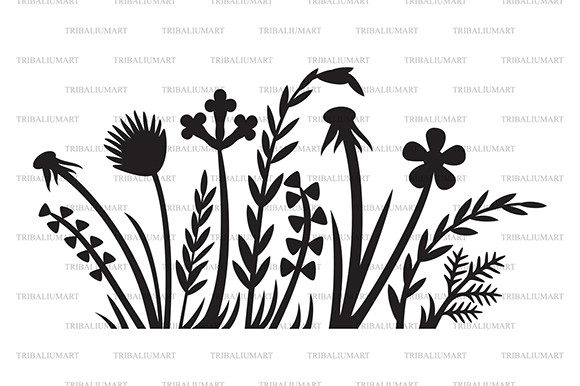
Grass Silhouettes flowers and Plants Graphics
In the world of digital publishing, visual hierarchy is not just an aesthetic choice; it is a functional necessity. As a blog designer who has spent years optimizing content for both search engines and human attention spans, I approach every new graphic design asset with a critical eye. Does it load quickly? Does it convey the right mood? And most importantly, does it help build reader trust while maintaining a polished editorial standard?
This week, I put Grass Silhouettes flowers and Plants to the test in my actual workflow. The goal was simple: enhance a series of lifestyle and wellness articles without cluttering the layout or slowing down page performance. What follows is a review based on real-world application, focusing on how these Illustrations and Graphics perform when integrated into a live content ecosystem.
The First Impression: Editorial Mood and Niche Fit
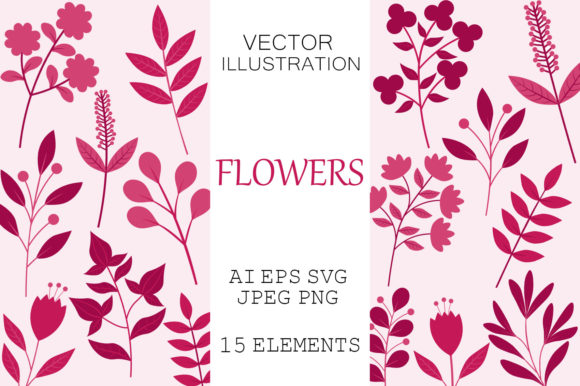
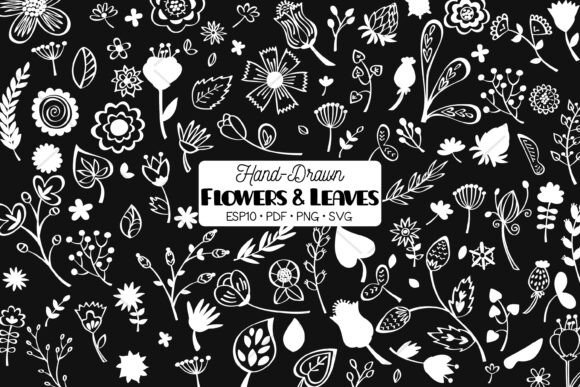
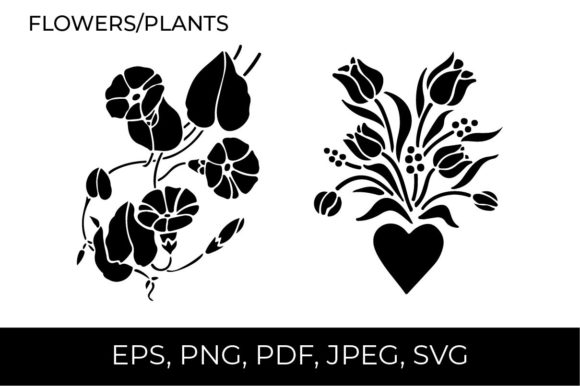
When you first download a bundle of nature-inspired silhouettes, there is often a risk of them feeling generic or overly decorative. However, Grass Silhouettes flowers and Plants strikes a balance that feels distinctly modern and clean. The silhouette style removes the distraction of color gradients or complex shading, allowing the shapes themselves to dictate the visual rhythm.
This creates an editorial mood that is organic yet structured. It feels less like "clip art" and more like intentional editorial design. For bloggers in the wellness, gardening, mental health, or sustainable living niches, this asset immediately signals a connection to nature without being cliché. It supports a visual identity that is calm, grounded, and professional. If your brand relies on a feminine, soft, or artistic aesthetic, these graphics provide a subtle texture that enhances rather than overwhelms the text.
Integrating Assets into a Real Publishing Workflow
The true value of a digital product lies in its versatility across different touchpoints. In my testing, I utilized these files to create a cohesive visual system for a recent content campaign. Here is how they translated across various platforms:
- Blog Featured Images: The high-contrast nature of silhouettes makes them excellent candidates for hero images. They provide a strong background element that allows white or dark headline text to pop, ensuring readability on both desktop and mobile devices.
- Pinterest Pins: For affiliate marketers and content creators, Pinterest remains a primary traffic driver. These graphics serve as perfect overlays for pin designs, adding depth to flat colors or photographs without competing with the call-to-action text.
- Newsletter Headers: Email marketing requires fast-loading visuals. Using vector-based elements ensures crisp rendering at any size, making your newsletter look premium and trustworthy.
- Digital Guides and Lead Magnets: When creating downloadable PDFs, worksheets, or eBooks, these illustrations can be used as section dividers or cover accents. They elevate the perceived value of a freebie, encouraging higher conversion rates for your email list.
To streamline this process, the creator provides a comprehensive package. With this INSTANT DOWNLOAD you will receive a one ZIP folder, which includes the following formats SVG, DXF, EPS, JPEG, PNG, PDF files of each individual image. These are digital files only. No physical product is included. This variety is crucial for a publisher because it allows you to choose the right format for the job—using vectors for scalable web headers and raster images for quick social media posts.
Impact on Content Performance and Brand Identity
Consistency is the backbone of successful brand identity. By using a unified set of design assets across your website, social media, and email campaigns, you create a recognizable visual language. Grass Silhouettes flowers and Plants contributes to this by offering a distinct motif that can be repeated and varied.
From a user experience perspective, clear visual cues help readers navigate content faster. When a category thumbnail uses a specific plant silhouette, users instantly recognize the topic before reading the title. This reduces cognitive load and improves engagement metrics. Furthermore, a polished visual presentation directly correlates with reader trust. A site that looks professionally designed is perceived as more authoritative, which is vital for affiliate marketing sites where credibility drives sales.
Where These Graphics Shine
Based on my testing, these illustrations perform best in contexts where space allows for negative space to breathe. They are ideal for:
- Hero Images: Large-scale displays where the silhouette acts as a framing device for your main message.
- Article Thumbnails: Small but distinct icons that add character to grid layouts.
- Editorial Accents: Subtle decorations in sidebars or footers that add personality without distracting from the core content.
- Social Media Previews: Eye-catching backgrounds for Instagram stories or Facebook posts that need to stop the scroll.
- Printable Design: Since the files include SVG and EPS, they are perfect for users who want to print their own planners or wall art, extending the utility of your content beyond the screen.
Areas Requiring Careful Consideration
No single asset fits every scenario. There are specific contexts where Grass Silhouettes flowers and Plants might not be the optimal choice. Publishers should exercise caution in the following areas:
First, avoid using these silhouettes on small mobile thumbnails where detail may be lost. At very low resolutions, intricate leaf patterns can become muddy. Second, be mindful of text-heavy blog images. Silhouettes are decorative; they do not replace typography. Overcrowding a graphic with too much text can hurt accessibility and readability scores. Third, consider your niche carefully. While these graphics work beautifully for lifestyle and creative brands, they may feel out of place in serious corporate content, financial news, or tech reviews that require a more rigid, minimal visual system. Finally, ensure you check contrast ratios. Dark silhouettes on dark backgrounds, or light ones on light backgrounds, will fail to draw attention and may frustrate users with visual impairments.
Practical Publisher Notes for Implementation
To get the most out of this creative design purchase, I recommend following a strict QA (Quality Assurance) process before publishing:
- Test Across Devices: Always preview your graphics on desktop, tablet, and mobile screens. Ensure the silhouette remains recognizable at smaller widths.
- Check File Size: Even though these are digital downloads, large uncompressed files can slow down your website. Use tools to compress JPEGs and optimize PNGs for web performance without sacrificing quality.
- Font Pairing: Experiment with placing these graphics beside different font styles. They tend to pair well with serif fonts for a classic editorial look, sans-serif fonts for a modern clean aesthetic, and script fonts for a softer, boutique feel. Avoid pairing them with overly busy display fonts.
- Contrast and Readability: Test your headlines against the graphic. Use a contrast checker tool to ensure compliance with accessibility standards.
- Commercial Licensing: Before using these assets on monetized websites, affiliate pages, or paid content products, confirm the commercial license terms. Most marketplaces allow use in final digital products, but restrictions may apply regarding resale as standalone files.
Final Verdict for Digital Creators
Grass Silhouettes flowers and Plants is a versatile, high-quality addition to any publisher’s toolkit. It bridges the gap between artistic expression and functional web design. Whether you are updating your website header, creating a new Canva template for your team, or designing a lead magnet to grow your audience, these graphics offer the polish needed to stand out in a crowded digital landscape.
For bloggers, designers, and small business owners looking to elevate their content marketing efforts, this asset provides the visual foundation necessary to communicate professionalism and creativity. It is not just a collection of images; it is a strategic tool for enhancing reader engagement and strengthening your brand’s visual voice.