White Flowers Leaves Nature, Plants Graphics and Illustrations
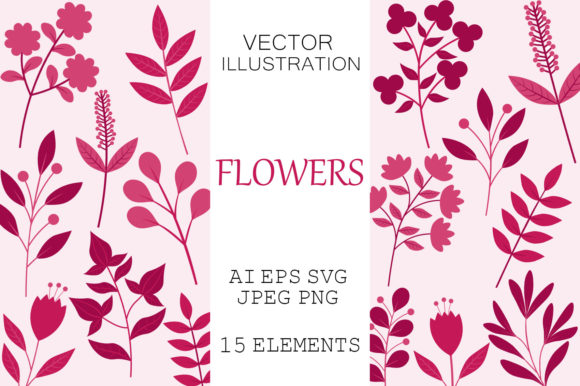
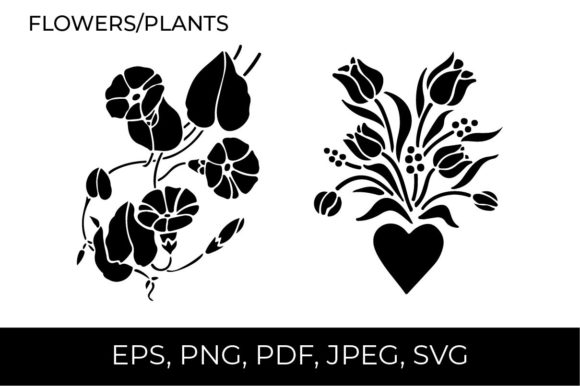
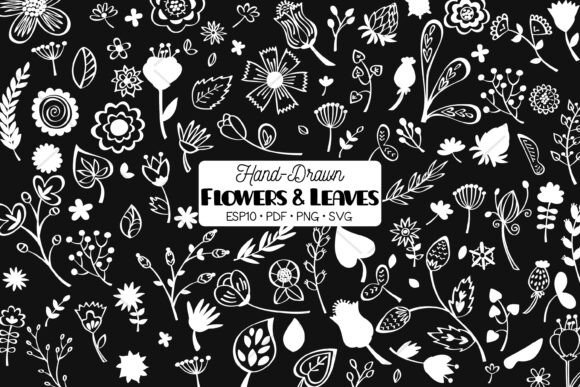
In the world of digital publishing, visual hierarchy is not just an aesthetic choice; it is a functional necessity. As a blog designer who has spent years optimizing content for readability, click-through rates, and brand trust, I have learned that the right graphic design asset can make or break a reader’s first impression. Today, I am reviewing a specific set of design assets titled White Flowers Leaves Nature, Plants, which offers a distinct collection of hand drawn flowers leaves drawings. This bundle includes cute botany doodles featuring clipart ferns, meadow plants, and tulips illustrations. With images offered in 61 White Outline, 61 White Silhouette, and 61 White Black Availabl formats, this asset presents a versatile toolkit for editorial design and web design projects.
The Editorial Mood and First Impressions
When you first open a folder of design assets, your eye immediately scans for coherence and quality. The White Flowers Leaves Nature, Plants collection exudes a clean, modern design sensibility with a touch of artistic flair. The hand-drawn style suggests authenticity and care, qualities that resonate deeply with audiences in lifestyle, wellness, gardening, and creative niches. Unlike rigid vector icons, these illustrations feel organic and approachable, creating an editorial mood that is both professional and inviting.
For content creators, this translates to immediate credibility. When a website header or a Pinterest pin features high-quality botanical graphics, it signals that the publisher values detail. In a crowded digital marketplace, this subtle cue helps establish a strong brand identity. The white outline and silhouette options provide excellent contrast against dark backgrounds, making them ideal for hero images where text legibility is paramount. Conversely, the black availabl versions offer versatility for light-themed layouts or monochromatic branding schemes.
Real-World Publishing Workflows
I recently integrated similar botanical assets into a comprehensive content marketing strategy for a digital guide on sustainable living. Here is how this type of graphic design asset fits into a real publishing workflow:
- Blog Featured Images: Using the large-scale fern or tulip illustrations as background elements allows headline text to pop while maintaining a thematic connection to nature and growth.
- Pinterest Pins: Vertical graphics benefit from the intricate details of the meadow plants. These visuals stop the scroll by offering a sense of calm and beauty, increasing click-through potential.
- Newsletter Graphics: A simple leaf outline used as a divider or bullet point adds polish to email campaigns without distracting from the copy.
- Digital Guides and eBooks: For lead magnets, these illustrations serve as perfect chapter dividers or cover accents, enhancing the perceived value of the downloadable resource.
- Social Media Previews: Consistent use of the botany doodles across Instagram and Facebook posts creates a recognizable visual rhythm, strengthening social media graphics performance.
This flexibility makes the asset particularly valuable for affiliate marketers and small business owners who need to produce high-volume content efficiently. By using a unified set of design assets, publishers ensure that every piece of content, whether it is a blog post, a digital product, or a printable design, feels part of a cohesive whole.
Enhancing Content Performance and Trust
Strong visual communication directly impacts user engagement metrics. When readers encounter a well-designed page, they are more likely to stay longer and explore additional content. The White Flowers Leaves Nature, Plants collection supports this goal by providing clear visual hierarchy. For instance, using a bold silhouette of a flower cluster to highlight a key takeaway in an article draws the eye naturally to important information.
Furthermore, consistency builds trust. If a website uses these illustrations across its category thumbnails, media kits, and affiliate content visuals, it reinforces a professional-looking content page. Readers subconsciously associate this polished look with reliability. In the context of commercial design, having a licensed asset like this ensures that your brand identity remains intact without legal concerns. It allows you to focus on creating engaging content rather than worrying about copyright issues.
Strategic Placement for Maximum Impact
To get the most out of these illustrations, consider where they will have the greatest effect. They work exceptionally well in editorial layouts where space allows for decorative accents. Placing a delicate vine illustration along the margin of a long-form article can guide the reader’s eye down the page, improving readability. In newsletter headers, a centered bouquet of tulips can anchor the design, providing a welcoming start to the message.
For digital products such as worksheets or printables, the white outline versions are particularly useful. They can be printed cleanly on various paper stocks, making them suitable for educational materials or creative journals. Additionally, when designing Canva templates for clients or personal use, these vector-style outlines scale perfectly, ensuring crisp edges at any size.
Where to Use Carefully
While versatile, no single graphic design asset is a universal solution. There are specific contexts where White Flowers Leaves Nature, Plants might not be the optimal choice. For example, in serious professional niches such as corporate finance or legal services, the playful nature of botany doodles may undermine the authority of the content. Similarly, in minimalist web design systems that rely on stark geometry, organic shapes might clash with the overall aesthetic.
Technical considerations are also important. On small mobile thumbnails, intricate details in the fern or meadow plant illustrations may become blurry or indistinguishable. In these cases, simpler silhouettes or larger-scale elements are preferable. Additionally, always check contrast ratios. White outlines on light backgrounds can disappear, reducing visibility and accessibility. Testing these assets on actual devices before full deployment is crucial to avoid such pitfalls.
Practical Publisher Notes for Implementation
Before integrating these assets into your live site, follow these practical steps to ensure optimal performance and compliance:
- Test Across Devices: Preview the graphics on desktop, tablet, and mobile screens. Ensure that the visual hierarchy remains clear on smaller viewports.
- Check Contrast and Readability: Place the white outlines over your darkest background color and the black versions over your lightest. Verify that they do not blend in or cause eye strain.
- Font Pairing: Experiment with different typography styles. Hand-drawn illustrations pair beautifully with serif fonts for a classic look, sans-serif fonts for modern clarity, and script fonts for a feminine touch. Avoid pairing them with overly busy display fonts.
- Optimize File Size: Compress images properly to maintain fast load times. Slow websites hurt SEO and user experience, so balance quality with performance.
- Confirm Licensing: Review the commercial license agreement carefully. Ensure you are permitted to use the graphics on monetized websites, affiliate pages, and paid content products.
Final Thoughts for Digital Publishers
The White Flowers Leaves Nature, Plants collection is more than just a bundle of cute botany doodles; it is a strategic tool for enhancing visual communication. Whether you are creating a new blog, refreshing an existing website, or developing a suite of digital downloads, these illustrations offer the quality and versatility needed to stand out. By leveraging their clean lines and organic charm, you can create a stronger visual identity that resonates with your audience.
For bloggers, designers, and creative entrepreneurs, investing in high-quality design assets pays dividends in reader engagement and brand loyalty. This collection supports a wide range of applications, from editorial design to content marketing, making it a valuable addition to any creative marketplace portfolio. By thoughtfully applying these graphics, you elevate your content from mere information to an immersive experience, fostering deeper connections with your readers and driving better results for your digital business.