Mandala Flowers 28 Embroidery Review
When I am looking for a design to anchor a new collection or to fulfill a specific custom order, I stop scrolling once I see something with genuine structural integrity. Mandala Flowers 28 is one of those designs that immediately signals intentionality. As an experienced designer who reviews digital assets before they ever touch a hoop, I approach this file not just as a pretty picture, but as a functional component of a finished product. This review breaks down how this illustration performs in real-world embroidery scenarios, from small business merchandise to personalized gifts.
First Impressions and Visual Personality
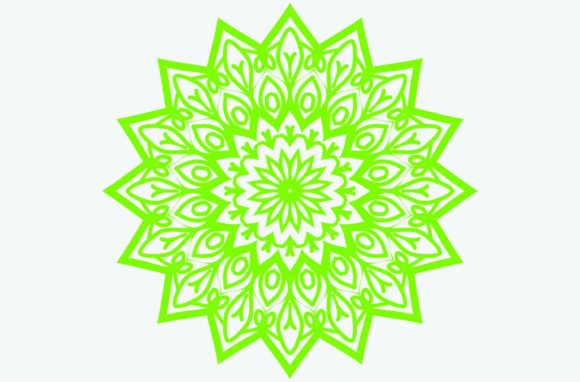
The moment you open the preview of Mandala Flowers 28, the mood is clear: serene, balanced, and intricate without being chaotic. The mandala format naturally draws the eye to the center, creating a focal point that works exceptionally well on apparel and home goods. Because it falls under the category of Illustrations and Graphics, the lines are clean, which is a massive advantage when converting vector shapes into stitch paths. Unlike hand-drawn sketches that can look muddy when digitized, this graphic offers crisp boundaries that translate into sharp satin stitches and precise fill areas.
The layout feels versatile. It is detailed enough to justify a larger placement, such as the chest of a sweatshirt or the back panel of a tote bag, yet contained enough to work as a standalone motif on smaller items like baby onesies or embroidered patches. The visual personality is calm and organic, making it suitable for brands that value mindfulness, nature, or bohemian aesthetics.
Real-World Application: From File to Finished Product
I recently considered using Mandala Flowers 28 for a custom order involving personalized aprons for a local bakery client. The challenge with apron embroidery is often balancing detail with durability. You need a design that looks good after ten washes but doesn’t require so much thread that the fabric puckers. The symmetrical nature of this mandala allows for even tension across the design area. When stitched on a cotton canvas apron, the geometric precision of the flower elements would hold up beautifully, providing a professional finish that elevates the perceived value of the garment.
This design also shines in the realm of custom apparel. Imagine a heavyweight cotton sweatshirt where Mandala Flowers 28 is placed slightly off-center on the left chest. The contrast between the soft texture of the fleece and the structured, dense stitching of the mandala creates a tactile experience for the wearer. For Etsy sellers and small shop owners, this kind of high-quality presentation is crucial. Buyers can often tell the difference between a rushed digitization and a thoughtfully prepared design by looking at how well the edges align and how consistent the stitch density appears in photos.
In terms of holiday embroidery or gift-giving, this design has a timeless quality. It does not feel tied to a fleeting trend, which makes it a safe bet for personalized gifts. Whether it is stitched onto a pillow cover for a housewarming gift or used on a nursery blanket, the floral mandala theme is universally appealing. It adds a touch of elegance that feels handmade and special, rather than mass-produced.
Where to Use It for Maximum Impact
- Tote Bag Design: A large canvas tote provides ample space for the full complexity of the mandala. The sturdy fabric supports the weight of the thread, preventing distortion.
- Sweatshirt Embroidery: Ideal for chest placements or large back prints. The structure of the design complements the casual comfort of knit fabrics.
- Baby Embroidery: On softer fabrics like muslin or interlock jersey, the fine details of the flowers add a delicate, premium feel to baby clothes or blankets.
- Embroidered Patch: The self-contained circular shape makes it perfect for creating iron-on or sew-on patches for jackets and bags.
- Kitchen Towels and Tea Towels: A classic use case. The mandala acts as a beautiful centerpiece on linen or cotton dish towels.
Technical Considerations and Potential Pitfalls
No design is flawless in every context, and Mandala Flowers 28 requires some strategic planning depending on the substrate. While the graphic itself is high-resolution (available in various formats including AI, EPS, SVG, JPG, and PNG at 1920x1280 px), the translation to thread depends heavily on your digitizing choices.
Hoop Size and Density: If you attempt to stitch this design in a very small hoop, you may lose the finer details of the inner flower petals. The stitch density must be adjusted to fit the scale. In tight spaces, fill stitches can become too dense, causing the fabric to pucker. Conversely, if the design is scaled up too much on thin fabric without proper support, it may sag.
Fabric Texture and Color: This design relies on contrast. On dark fabrics, you will need to choose thread colors carefully to ensure the mandala pops. On textured fabrics, such as heavy tweed or nubby wool, the intricate lines of the illustration might get lost. Smooth fabrics like cotton, polyester blends, or denim allow the satin stitch outlines to remain crisp and readable.
Curved Surfaces: While it works well on flat panels, applying this to curved surfaces like caps or hats requires careful hooping techniques. The symmetry of the mandala can become distorted if the fabric stretches unevenly during the stitching process. Test runs on scrap pieces of the same material are essential here.
Practical Designer Notes for Implementation
Before adding Mandala Flowers 28 to your production workflow, keep these practical tips in mind:
- Test on Scrap Fabric: Always run a test stitch-out on the actual fabric you plan to use. This reveals how the stabilizer interacts with the material and whether the thread tension needs adjustment.
- Check Thread Contrast: View your design mockup in black and white. This helps ensure that the different sections of the mandala have enough tonal separation to be distinguishable when stitched.
- Review Stitch Types: Ensure that the digitized version uses appropriate stitch types. Running stitch can be used for fine outlines, while fill stitch should be optimized for the larger solid areas to reduce thread usage and time.
- Confirm Licensing: Since this is a digital asset available in multiple formats, verify the commercial use rights before selling finished products. Even though it is listed under design assets, the license terms dictate whether you can sell the physical embroidered items or only the digital file itself.
- Inspect Small Details: Zoom in on the smallest elements of the mandala. If they are too tiny relative to the needle size, they may not stitch cleanly. You might need to simplify certain details or increase the overall size of the design.
Final Verdict
Mandala Flowers 28 is a robust, aesthetically pleasing choice for designers looking to add a touch of sophistication to their craft business offerings. Its versatility spans from commercial embroidery projects for boutiques to heartfelt handmade products for individual clients. By paying attention to fabric selection, stabilizer choice, and stitch density, you can leverage this graphic to create high-value, durable, and visually striking embroidered items. It is a reliable tool in any digital embroiderer’s library, bridging the gap between modern digital graphics and traditional textile art.